
Introduction
More families today are choosing to live under one roof—grandparents, parents, and kids all sharing the same home. This shift toward multi-generational living brings opportunities for stronger family bonds, shared resources, and smarter use of space. But it also creates unique remodeling challenges.
How do you design a home that works for toddlers, busy parents, and aging grandparents—all at the same time?
This blog will explore remodeling strategies to create a home that’s functional, safe, and comfortable for every generation.
Chapter 1: Why Multi-Generational Homes Are Rising
- Economic benefits: Shared mortgage, utilities, and maintenance costs.
- Family support: Built-in childcare and eldercare.
- Cultural values: Many cultures see family togetherness as essential.
- Aging population: More seniors want to age in place with loved ones.
Chapter 2: Key Remodeling Goals for Multi-Generational Living
When remodeling, consider these top priorities:
- Privacy for everyone (separate entrances, private suites, soundproofing).
- Accessibility for seniors (ramps, grab bars, walk-in showers).
- Kid-friendly zones (safe play areas, durable finishes).
- Shared spaces that encourage connection (open kitchens, family rooms).
Chapter 3: Designing Private Suites
Give family members independence while staying connected.
- Add in-law suites with bedrooms, bathrooms, and small kitchenettes.
- Convert basements or attics into private living spaces.
- Build garage apartments or tiny homes on the property.
This allows each generation to have their own space while still sharing the main home.
Chapter 4: Accessibility Remodeling
If grandparents live in the home, accessibility is key.
- Install wider doorways for wheelchairs/walkers.
- Choose slip-resistant flooring.
- Add walk-in showers instead of tubs.
- Lower light switches and countertops for easier use.
- Consider a residential elevator or stairlift for two-story homes.
Chapter 5: Kitchen & Dining Remodels
The kitchen is the heart of a multi-generational home.
- Double appliances (two ovens, extra fridge space).
- Large islands or extended dining tables for family meals.
- Zoned cooking spaces so multiple people can cook at once.
- Plenty of storage for bulk food and family-sized cookware.
Chapter 6: Soundproofing and Noise Control
Noise is one of the biggest challenges.
- Soundproof walls between bedrooms.
- Carpet or rugs to reduce footsteps.
- Acoustic panels for family rooms and basements.
- White noise machines in nurseries or bedrooms.
Chapter 7: Shared Spaces That Work
You’ll need larger, more flexible gathering areas.
- Open floor plans with adaptable furniture.
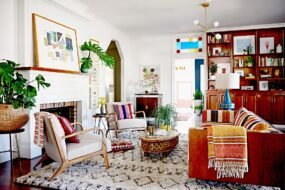
- Family rooms with multiple seating zones.
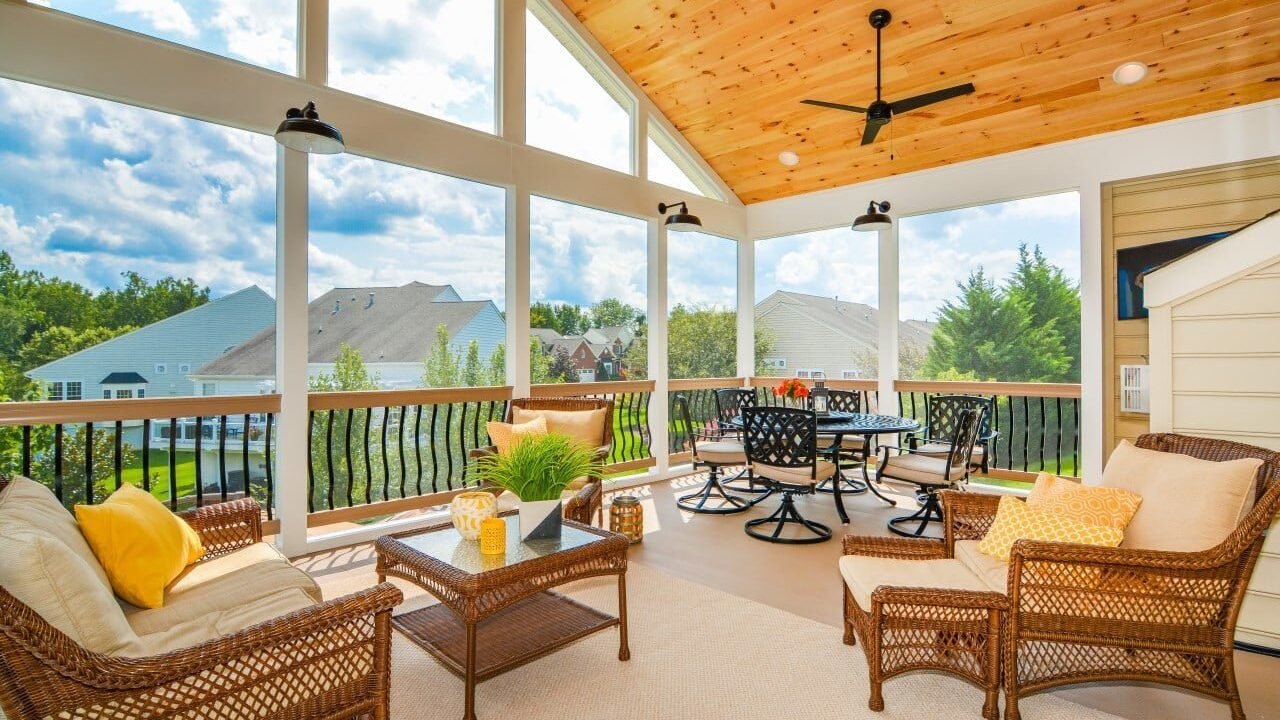
- Outdoor living areas (decks, patios, outdoor kitchens).
- Multi-purpose rooms (playroom by day, teen hangout by night).
Chapter 8: Storage Solutions for Big Families
With more people comes more stuff.
- Built-in cabinets in hallways and under stairs.
- Mudrooms with lockers for shoes, coats, and bags.
- Walk-in pantries and laundry rooms with multiple washers/dryers.
- Garage storage systems for bikes, sports gear, and tools.
Chapter 9: Budgeting for a Multi-Generational Remodel
These projects can be big investments. To stay on track:
- Prioritize privacy and accessibility first.
- Remodel in phases if budget is tight.
- Consider ADU (Accessory Dwelling Unit) additions for rental income.
- Explore government grants for aging-in-place remodels.
Conclusion
Remodeling for multi-generational living is about more than extra bedrooms—it’s about creating harmony. With the right design choices, your home can foster closeness while still respecting privacy and independence.
Done right, it becomes more than just a house—it becomes a family hub that supports every generation for years to come.