
Introduction
One of the biggest challenges in home design is knowing how to mix colors and textures without creating a space that feels chaotic, overwhelming, or unfinished. Many DIY enthusiasts either play it too safe—ending up with flat, uninspiring rooms—or go too bold, resulting in visual clutter. The secret to stylish interiors isn’t expensive furniture or professional designers; it’s mastering balance.
Color and texture are the foundations of great design. When used thoughtfully, they create depth, warmth, and personality. When misused, they can make even high-end spaces feel disjointed. The good news is that learning how to mix colors and textures is a skill anyone can develop—with intention, practice, and a few guiding principles.
This comprehensive DIY guide walks you through how to confidently mix colors and textures to create interiors that feel cohesive, layered, and professionally styled. Whether you’re decorating one room or an entire home, these techniques work for any budget, style, or space.
1. Understanding the Role of Color in Interior Design
Color influences how a room feels emotionally and visually. Warm colors create comfort and energy, while cool colors promote calm and openness. Neutrals provide balance and allow other elements to shine.
In DIY interiors, color should serve a purpose. Rather than choosing colors based on trends alone, consider how each room is used and how you want it to feel. Living areas benefit from warmth and connection, bedrooms from calm and softness, and workspaces from clarity and focus.
Understanding this emotional foundation makes it easier to mix colors intentionally rather than randomly.
2. Building a Cohesive Color Palette
A strong color palette is the backbone of stylish interiors. Most successful spaces rely on a simple formula: one dominant color, one secondary color, and one or two accent colors.
Start with a neutral base such as white, beige, gray, or greige. This creates flexibility and prevents visual overload. Add a secondary color that complements your base—muted blues, soft greens, warm browns, or earthy tones work well.
Accent colors should be used sparingly through décor, textiles, or artwork. Repeating these colors throughout the room creates flow and cohesion.
3. How Texture Transforms Flat Spaces
Texture is what prevents a room from feeling one-dimensional. Even the most beautiful color palette can fall flat without texture.
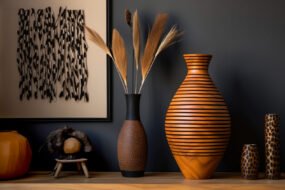
Texture comes from materials—wood, fabric, metal, stone, glass, and woven elements. Smooth surfaces reflect light and feel modern, while rough or soft textures add warmth and depth.
In DIY design, texture is often easier and cheaper to add than color. A few well-chosen textures can completely change how a space feels.
4. Layering Textures for Depth and Balance
Layering texture is about contrast. Pair soft elements with hard ones, matte finishes with glossy surfaces, and natural materials with refined details.
For example, a smooth painted wall feels richer when paired with linen curtains, a woven rug, and wooden furniture. In bedrooms, layering bedding materials—cotton sheets, knit throws, and upholstered headboards—creates comfort and visual interest.
The goal is balance, not excess. Too many textures can feel cluttered; too few can feel cold.
5. Mixing Colors and Textures Room by Room
Each room has different functional and emotional needs, which should guide your design choices.
Living rooms benefit from layered neutrals with pops of color through pillows, art, and accessories. Bedrooms feel best with soft textures and calming tones. Kitchens can handle contrast—mixing smooth cabinets with textured backsplashes or wood accents.
Approaching each room individually while maintaining a consistent palette ensures your home feels connected, not disjointed.
6. DIY-Friendly Ways to Add Color
Adding color doesn’t require repainting entire rooms. DIY projects allow you to introduce color in flexible, low-commitment ways.
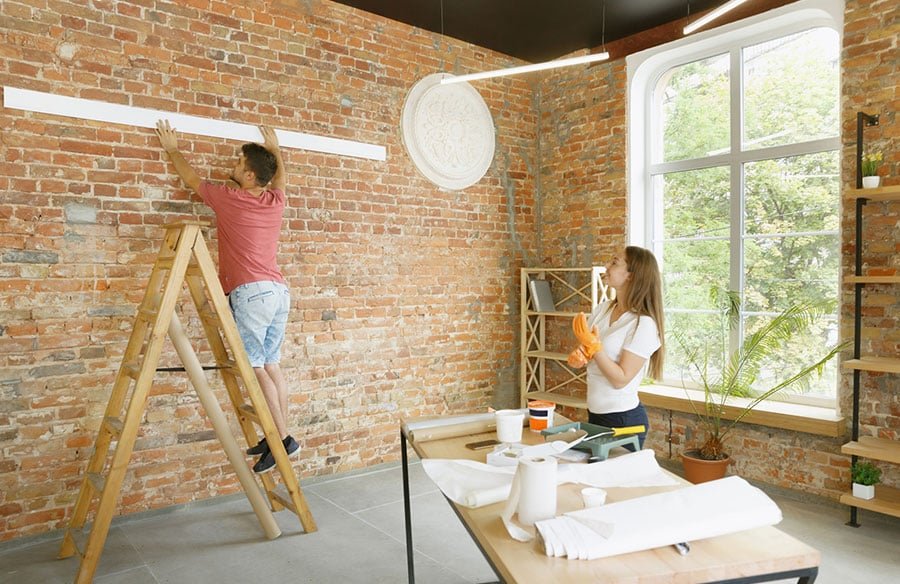
Painted furniture, accent walls, removable wallpaper, textiles, and artwork are all effective options. These elements can be updated over time without major cost or effort.
This approach allows you to experiment and refine your style gradually.
7. DIY-Friendly Ways to Add Texture
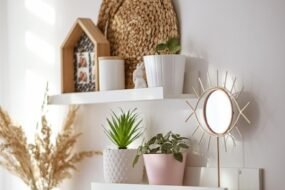
Texture-focused DIY projects are ideal for budget-conscious decorators. Wall hangings, fabric panels, painted finishes, wood accents, and layered rugs are all accessible options.
Even small details like hardware, baskets, or plant containers contribute to textural richness. These elements subtly elevate a space without overwhelming it.
Texture-heavy projects also age well, making them excellent long-term design choices.
8. Balancing Bold and Neutral Elements
Bold colors and textures should always be balanced by neutral elements. This prevents visual fatigue and keeps the space grounded.
If you introduce a bold patterned rug, keep surrounding furniture simple. If a wall features strong texture, allow nearby surfaces to remain calm.
This balance ensures your DIY choices feel intentional rather than impulsive.
9. Common Mistakes When Mixing Colors and Textures
One common mistake is using too many competing colors without a clear hierarchy. Another is relying solely on color while ignoring texture.
Avoid trend overload and focus on timeless combinations. When in doubt, step back and assess whether the room feels cohesive as a whole rather than evaluating individual items.
Mistakes are part of the learning process—but thoughtful planning minimizes them.
10. Letting Your Style Evolve Naturally
Great interiors are rarely finished all at once. Allowing your home to evolve over time leads to more authentic, personal spaces.
As you gain confidence mixing colors and textures, your design instincts will improve. Trust the process and enjoy experimenting.
DIY design is as much about expression as it is about aesthetics.
Final Thoughts
Mixing colors and textures is the key to creating stylish interiors that feel layered, welcoming, and intentional. With a strong color palette, thoughtful texture choices, and a balanced approach, DIY decorators can achieve professional-level results without professional budgets.
Design is not about perfection—it’s about harmony. When color and texture work together, your home becomes a reflection of both creativity and comfort.